The world of nail art is constantly evolving, yet regular manicure designs remain a cornerstone of manicure culture thanks to their balance of simplicity, elegance, and versatility. A well-executed manicure using classic design principles can enhance personal style without overwhelming it, making these looks suitable for everyday wear as well as professional settings.
What Are Regular Manicure Designs?
At their core, regular manicure designs focus on clean application, harmonious color choices, and subtle decorative elements. Unlike elaborate nail art that relies on complex patterns, rhinestones, or 3D embellishments, these styles emphasize refinement and balance. They are designed to complement the natural shape of the nail and the wearer’s overall appearance rather than dominate it.
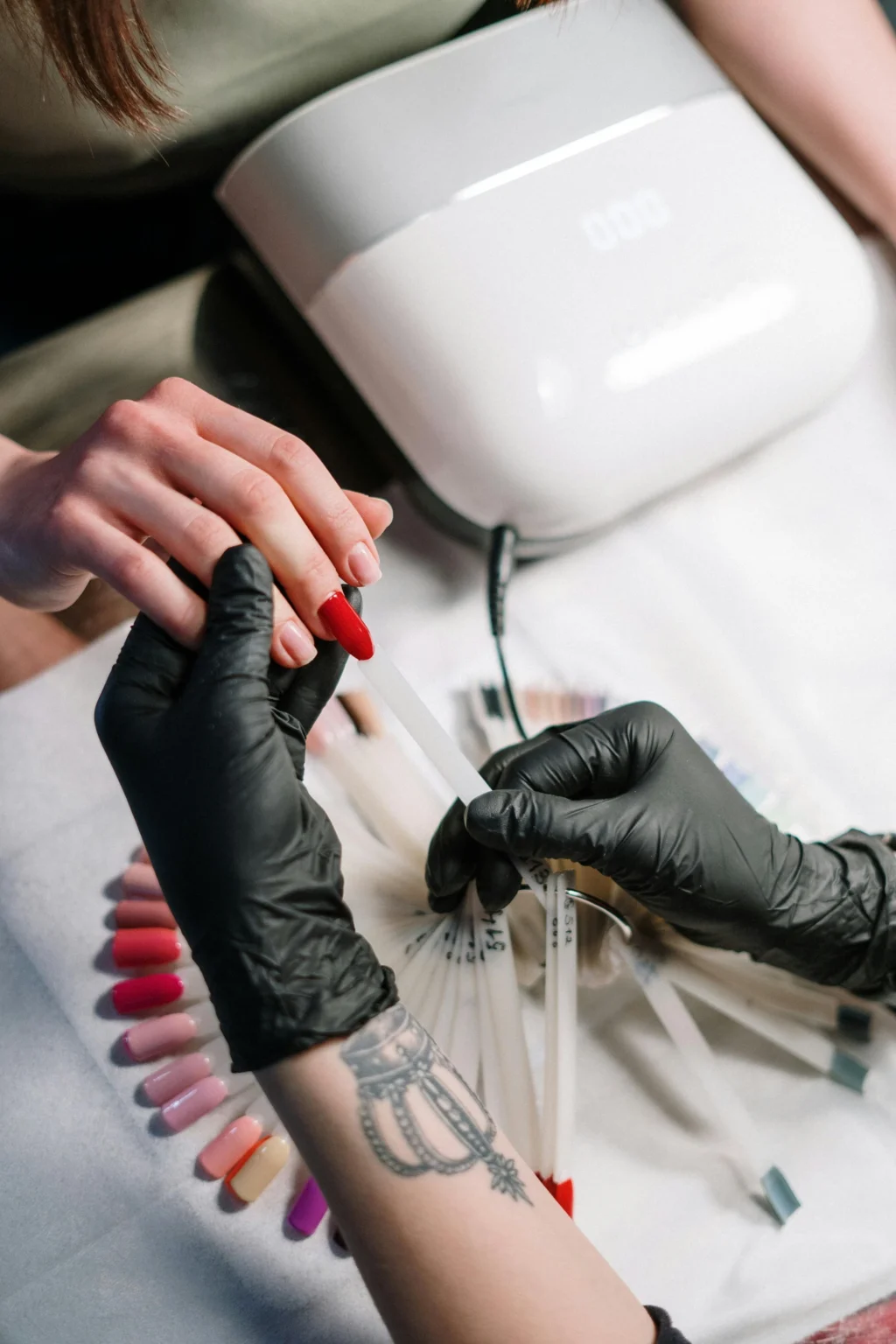
A standard manicure typically includes nail shaping, cuticle care, base coat application, color polish, and a protective top coat. Within this structure, design choices remain minimal but intentional-often involving solid colors, soft gradients, or understated accents.
Why Regular Designs Never Go Out of Style
The enduring popularity of classic manicure styles is not accidental. From a design perspective, minimalism offers longevity. Trends may change rapidly, but clean lines and neutral palettes consistently align with fashion, workplace norms, and personal grooming standards.
Another advantage lies in adaptability. Simple manicure styles transition effortlessly from casual to formal environments. A soft nude polish or a sheer pink base can look equally appropriate at the office, a social event, or a weekend outing. This flexibility makes them a practical choice for individuals who want polished nails without frequent redesigns.
Core Elements of Timeless Manicure Styling
Understanding the building blocks of refined nail designs helps explain their widespread appeal.
Color Selection
Neutral tones such as beige, milky white, blush pink, taupe, and soft gray form the foundation of most everyday nail looks. These shades enhance the natural nail while minimizing visible chips or regrowth. Muted pastels and classic reds are also common, offering subtle variation without sacrificing elegance.
Nail Shape
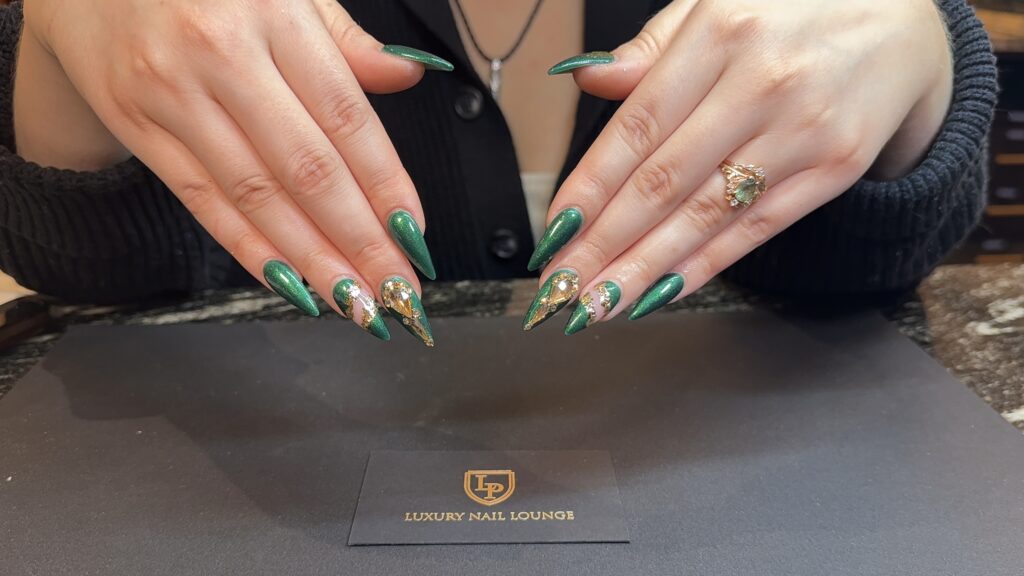
Design effectiveness depends heavily on shape. Square and squoval nails support clean, modern aesthetics, while oval and almond shapes lend themselves to softer, more feminine designs. Regular styles typically avoid extreme lengths or dramatic silhouettes, as moderation reinforces practicality.
Finish and Texture
Glossy finishes remain the most popular choice due to their light-reflecting, healthy appearance. However, matte top coats are increasingly used to add depth to simple color applications. Satin and semi-sheer finishes also contribute to understated sophistication.
Popular Variations of Regular Manicure Designs
While restrained, these designs are far from boring. Small adjustments can create distinctive results.
French-Inspired Looks
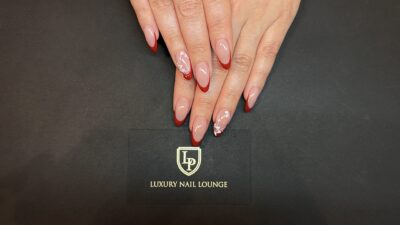
Modern interpretations of the French manicure use thinner tips, alternative colors, or soft gradients instead of stark white lines. These variations preserve the clean aesthetic while updating the overall look.
Minimal Accent Nails
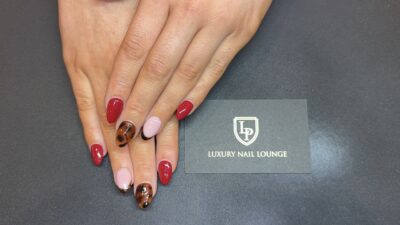
A single accent nail featuring a delicate line, dot, or metallic strip can elevate an otherwise uniform manicure. The key is restraint-one subtle detail adds interest without shifting into complex nail art.
Soft Ombré Effects
Gentle color transitions, often referred to as baby boomer or nude ombré styles, are a refined evolution of classic techniques. They provide visual depth while maintaining a natural appearance.
Design Considerations for Different Lifestyles
Choosing the right manicure style often depends on daily activities and personal priorities.
For professionals, understated nail designs support a polished image without distraction. Neutral colors and simple finishes align well with formal dress codes and frequent hand use.
For individuals with active routines, shorter nails and durable finishes are essential. Regular styles pair well with quick-dry and long-wear polishes, reducing maintenance without compromising appearance.
For special occasions, subtle upgrades-such as pearlescent tones or fine shimmer-can enhance elegance while staying within the boundaries of classic manicure aesthetics.
Maintenance and Longevity
One of the biggest advantages of refined manicure styles is ease of upkeep. Because these designs rely on simplicity, minor chips or wear are less noticeable. Regular application of cuticle oil and a thin layer of top coat every few days can significantly extend wear time.
Proper preparation also plays a critical role. Well-prepped nails allow polish to adhere evenly, preserving the clean look that defines everyday manicure concepts. This technical aspect is often more important than the design itself.
Balancing Trends with Tradition
While nail trends introduce bold colors, abstract art, and experimental textures, many of these elements can be adapted into simpler formats. A trending shade can be applied as a solid color. A popular motif can be reduced to a single fine line or negative-space detail.
This balance allows wearers to stay current without abandoning the principles that make regular manicure designs so enduring. By selectively incorporating trends, these styles remain fresh yet familiar.
Who Should Choose Regular Manicure Designs?
These designs are ideal for anyone who values versatility, cleanliness, and timeless beauty. They suit first-time manicure clients as well as experienced nail enthusiasts seeking a break from high-maintenance looks. Because they highlight natural nail health and shape, they are also a preferred choice for minimalists.
Importantly, regular manicure designs serve as a foundation. Once mastered, they make it easier to experiment with more intricate styles in the future, as the fundamentals of application and proportion are already in place.
Conclusion
In the broader landscape of nail aesthetics, regular manicure designs represent balance-between fashion and function, creativity and restraint. Their enduring appeal lies in their ability to adapt to changing trends while maintaining a polished, intentional look. By focusing on color harmony, clean execution, and subtle detail, these designs continue to define what it means to have truly well-groomed nails in both everyday life and professional environments.