In the evolving world of nail care, white nails pedicure remains one of the most refined and versatile choices in pedicure styling. Clean, polished, and effortlessly elegant, this look balances simplicity with sophistication for both everyday wear and special occasions.
What Defines a White-Based Pedicure?
At its core, a white-toned pedicure focuses on precision, balance, and visual clarity. Unlike intricate toe nail art that incorporates heavy embellishments or layered patterns, this style emphasizes smooth application, even coverage, and harmony with natural skin tone. The result is fresh, bright, and intentionally minimal.
A standard pedicure procedure includes nail trimming and shaping, cuticle care, exfoliation, hydration, base coat application, color polish, and a protective top coat. Within this framework, white polish-whether crisp opaque or soft milky sheer-serves as the central design element. The beauty lies not in complexity, but in execution.
Why White Pedicures Remain Timeless
Color psychology and fashion cycles consistently reaffirm the appeal of white. As a neutral, it pairs seamlessly with virtually any wardrobe choice-from sandals and heels to sneakers and beachwear. It enhances sun-kissed skin in summer and contrasts elegantly against darker fabrics in cooler seasons.
Unlike bold neon shades or trend-driven patterns, white toes do not compete with outfits. Instead, they elevate the overall appearance with a sense of cleanliness and intention. This neutrality ensures longevity, allowing the style to remain relevant year after year.
From a technical perspective, white lacquer also highlights nail shape and symmetry. Because lighter colors reflect more light, they draw attention to application precision. When executed correctly, the result appears crisp, professional, and polished.
Core Elements of a Refined White Pedicure
Understanding the foundational components helps explain why this style consistently stands out.
Color Variations
White is not a single shade but a spectrum. Options include:
- Pure bright white for maximum contrast
- Milky white for softness
- Ivory or cream for warmth
- Sheer white washes for a barely-there effect
Selecting the right tone depends on undertones and desired intensity. Cooler complexions often complement bright, clean whites, while warmer skin tones pair beautifully with creamy variations.
Nail Shape and Length
Toe nail shape plays a critical role in achieving a balanced result. Straight-edge square shapes support a modern aesthetic and reduce the risk of ingrown nails. Slightly rounded squares offer a softer finish while maintaining structure. Extreme shaping is rarely necessary in minimalist foot styling; proportion and practicality remain key.
Finish and Surface Quality
Glossy finishes dominate because they amplify the fresh, hygienic appearance associated with light polish. A high-shine top coat reflects light, enhancing brightness and depth. Matte finishes can create a contemporary twist, but they require flawless application since imperfections are more visible on pale surfaces.
Smooth surface preparation is essential. Buffing ridges and applying a ridge-filling base coat prevent streaking, a common issue with light-colored polish.
Popular Variations of White Toe Nail Designs
Although minimalist, white-based styles offer subtle versatility.
Classic Solid White
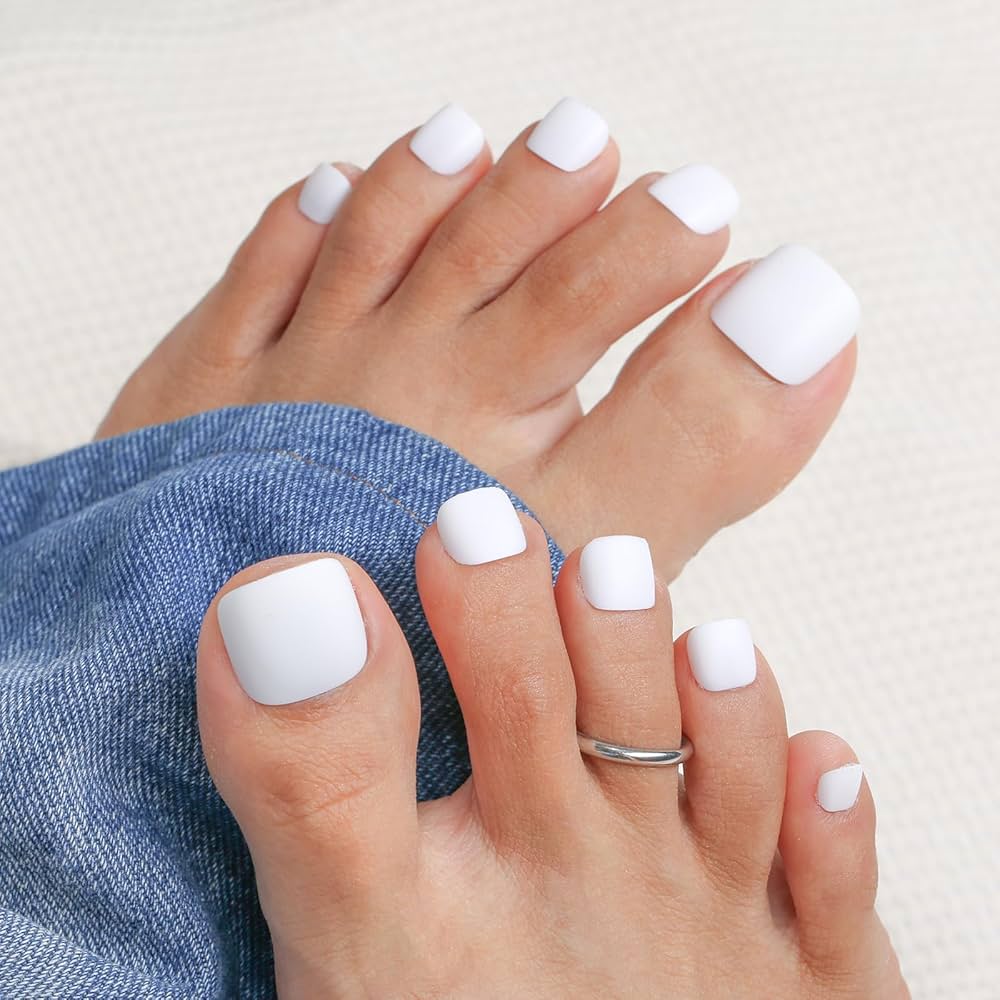
The fully opaque white pedicure remains the most recognizable variation. It communicates clarity, confidence, and seasonal freshness. This style pairs exceptionally well with open-toe footwear and minimalist fashion.
French-Inspired Toes
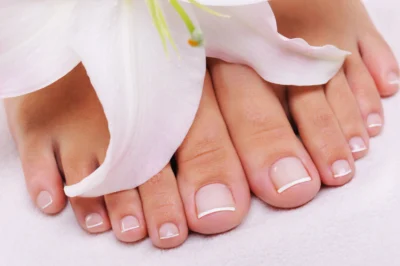
A soft pink or nude base combined with delicate white tips translates the traditional French manicure into a foot-focused design. Modern interpretations often feature thinner tips or micro-French lines for a cleaner silhouette.
Soft White Ombré
A gentle fade from nude to white creates dimension without overwhelming the nail. This gradient effect maintains subtlety while adding depth. The transition should appear seamless, avoiding harsh contrast lines.
Subtle Accents
Tiny gold foil flakes, minimal rhinestones near the cuticle, or a single metallic stripe can elevate a neutral toe set without overpowering it. The key principle remains restraint-accents should enhance, not dominate.
Seasonal and Lifestyle Considerations
A pale pedicure adapts well across different contexts.
Summer and Vacation
During warmer months, bright white toes amplify tanned skin and complement sandals, flip-flops, and beachwear. The crisp finish photographs beautifully, making it a favorite for travel and resort settings.
Professional Environments
In corporate or formal spaces, understated toe nail polish aligns with a polished image. Neutral white avoids distraction while maintaining a well-groomed appearance. It conveys attentiveness to detail without appearing overly styled.
Special Occasions
Bridal styling frequently incorporates white or soft ivory pedicures to harmonize with wedding attire. The tone reflects purity and coordination with lace or satin textures. Pearlescent top coats can add dimension while remaining within classic boundaries.
Technical Application Considerations
Working with white polish requires specific technique. Lighter shades tend to reveal brush strokes and uneven layers more easily than darker colors.
Proper steps include:
- Thorough cleansing of the nail plate to remove oils.
- Applying a smoothing base coat.
- Using thin, controlled polish layers rather than thick coats.
- Allowing adequate drying time between applications.
- Sealing with a high-quality top coat for protection and shine.
Gel formulations provide longer wear and reduce streaking, but traditional lacquer can achieve comparable results with careful technique.
Lighting also plays a role. Application under natural or balanced white light ensures accurate color perception and even coverage.
Maintenance and Longevity
Light polish can show dirt or discoloration more quickly than darker hues, making maintenance essential. Regular cleansing and hydration keep the look pristine.
Tips for extending wear include:
- Applying cuticle oil daily
- Reapplying a thin top coat every few days
- Avoiding harsh chemicals without protective footwear
- Scheduling professional touch-ups when needed
Because the design itself is simple, minor chips may be more noticeable. However, the clean aesthetic makes spot repairs relatively easy.
Balancing Trends with Classic White
Even as nail trends shift toward chrome finishes, abstract art, or textured embellishments, white remains adaptable. Trend elements can be subtly integrated-for example:
- A chrome glaze over a white base
- Minimal negative-space lines
- Soft shimmer top coats
- Micro-French variations
These adaptations allow wearers to stay current while preserving the clarity that defines a minimalist pedicure style.
Who Benefits Most from This Style?
A white-based foot manicure suits individuals who value cleanliness, versatility, and understated sophistication. It works particularly well for:
- Minimalists
- Brides and formal event attendees
- Professionals
- Travelers seeking low-maintenance elegance
- Anyone wanting a bright yet neutral finish
Because it highlights nail health and symmetry, it also encourages proper foot care habits. Healthy cuticles and smooth skin significantly enhance the overall effect.
The Psychological Impact of White Nails
Color influences perception. White symbolizes freshness, simplicity, and order. When applied to toes, it can subtly reinforce feelings of renewal and care. This is one reason the style often gains popularity during seasonal transitions-particularly spring and summer.
Moreover, its clean appearance creates a visual contrast against footwear, drawing attention without overwhelming. It feels intentional yet effortless.
Conclusion
In the ever-changing landscape of nail trends, a white pedicure continues to stand as a symbol of effortless refinement and versatility. Its strength lies in precision, balance, and the ability to adapt-whether worn as a crisp opaque finish, a soft gradient blend, or a subtle French-inspired style. By combining technical care with minimalist aesthetics, this timeless look enhances natural beauty without overpowering it, proving that simplicity, when executed well, remains the ultimate expression of modern elegance.