
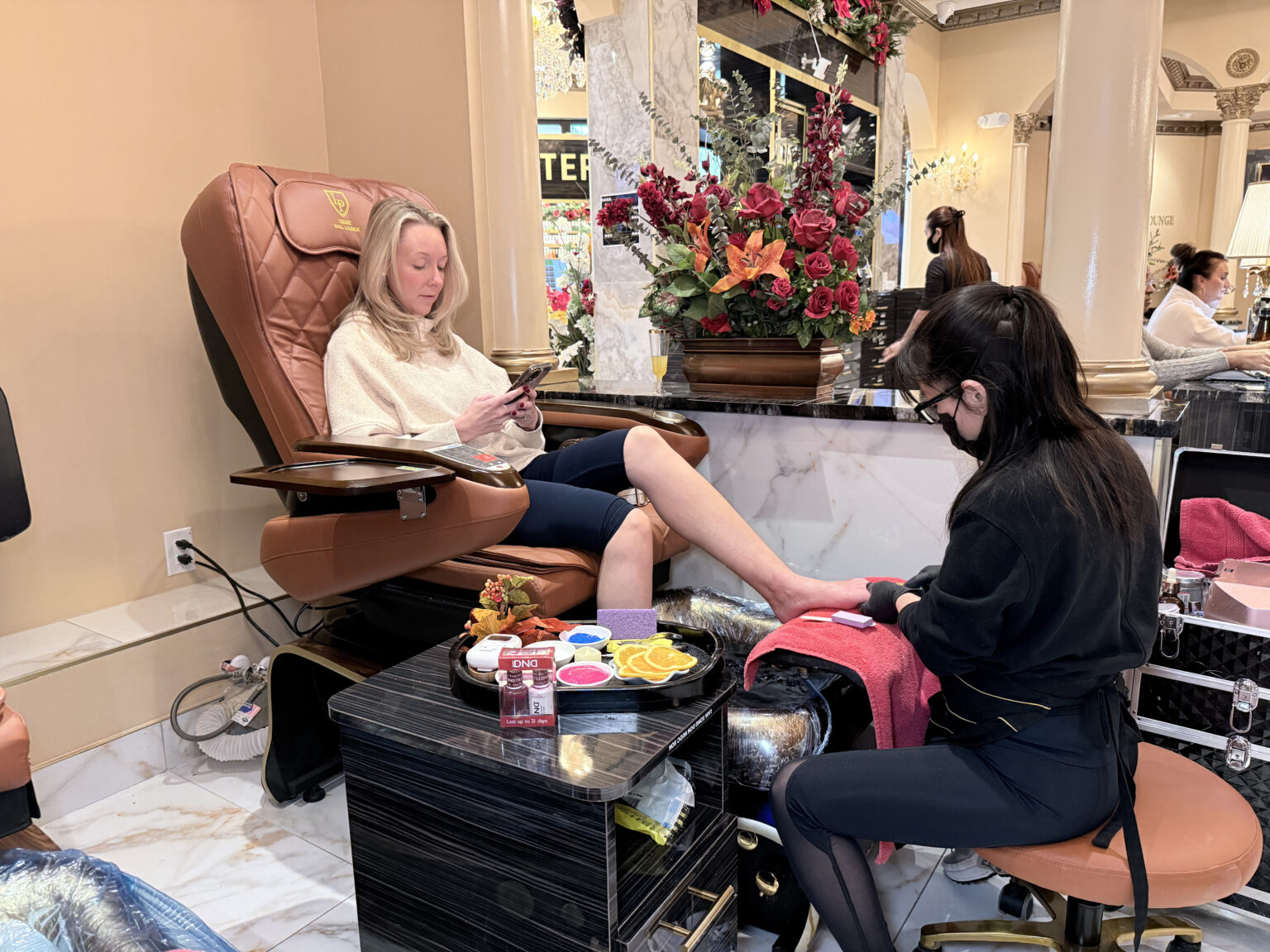
Are regular manicures good for your nails? This is a question many nail enthusiasts ask themselves before scheduling their next appointment. A manicure is more than just an aesthetic treatment; it can influence nail health and strength, depending on technique, frequency, and products used. Understanding the benefits and potential drawbacks of routine manicures can help you make informed choices for maintaining strong, beautiful nails.
The Benefits of Regular Manicures
Manicures are often associated with polished nails and luxury, but they offer practical advantages beyond appearance. Regular treatments can improve nail health in several ways:
- Improved Nail Hygiene
Routine manicures involve trimming, shaping, and cleaning the nails. Removing dirt and bacteria from under the nails reduces the risk of infections and promotes overall hand hygiene. Nail technicians also gently push back cuticles, which can prevent painful hangnails and reduce the risk of bacterial buildup around the nail bed. - Moisturization and Nail Strengthening
High-quality manicures include moisturizing treatments for the cuticles and surrounding skin. Oils, creams, and hand masks prevent dryness and brittleness, which can cause splitting and peeling. Strengthening treatments and fortified base coats used during professional manicures can also help reinforce weak nails, making them less prone to breaking. - Stress Relief and Hand Care
The massage and pampering involved in a manicure improve blood circulation in the hands and fingers. Better circulation not only promotes nail growth but also provides a relaxing experience that reduces stress. This indirect benefit supports nail health by preventing habits like nail-biting or picking at cuticles, which weaken nails over time. - Early Detection of Nail Problems
A trained nail technician can often spot early signs of fungal infections, abnormal growth, or discoloration during a manicure session. Regular visits allow for early intervention and proper care, preventing minor nail issues from developing into serious problems.

Potential Risks of Frequent Manicures
While there are clear benefits, regular manicures are not always risk-free. Understanding the potential downsides helps balance the beauty and health aspects of nail care.
- Nail Weakness from Over-Polishing
Repeated use of nail polish and gel treatments can cause nails to become thin or brittle. Solvents and harsh chemicals in some polishes strip natural oils from the nail plate, reducing flexibility and strength. Over time, nails may split or peel more easily if proper care is neglected. - Damage from Aggressive Cuticle Treatment
Cuticle cutting is common in many manicure procedures, but aggressive trimming can lead to infections or permanent damage to the nail matrix. It’s important to ensure cuticle care is gentle and only dead skin is removed, rather than healthy tissue. - Chemical Exposure
Frequent exposure to acetone-based polish removers, hardeners, and other manicure chemicals can irritate nails and surrounding skin. Those with sensitive skin or allergies may experience redness, dryness, or rashes. Opting for non-toxic or low-VOC products reduces these risks while still allowing you to enjoy manicures. - Potential for Fungal Infections
Unsterilized tools or shared nail equipment can transmit fungal infections. Regular manicures at reputable salons with strict hygiene protocols are essential to minimize this risk.
Factors That Affect Nail Health During Manicures
Even if regular manicures can be good for your nails, the outcomes largely depend on technique, products, and personal nail care habits.
- Polish Type and Quality
High-quality nail polishes formulated with nourishing ingredients are less likely to damage nails. Quick-drying polishes, gel-based formulas, and non-toxic polishes vary in their impact on nail strength. Polishes with strengthening agents can counteract brittleness, whereas repeated use of purely decorative, chemical-heavy polishes may weaken the nails. - Frequency of Manicures
Moderation is key. Weekly manicures may be excessive for some nail types, especially if strong chemicals are involved. Bi-weekly or monthly sessions, combined with proper home care, are often sufficient to maintain nail health without overexposure to harsh treatments. - Layer Thickness and Application
Thick polish layers may trap moisture and chemicals against the nail, potentially causing discoloration or slow growth. Applying thin, even layers and ensuring adequate drying time between coats can protect nails while still achieving the desired look. - Supporting Treatments
Base coats, cuticle oils, and top coats are not just cosmetic. They serve protective and strengthening roles, preserving nail integrity. Using these supporting products consistently improves the benefits of regular manicures while minimizing negative effects.
Tips for Healthy Nail Maintenance Between Manicures
To maximize the advantages of regular manicures, proper at-home care is essential. Consider these tips:
- Moisturize Daily: Apply cuticle oil and hand cream to keep nails flexible and hydrated.
- Avoid Nail Biting: This prevents trauma to the nail bed and reduces infection risk.
- Use Gentle Polish Removers: Prefer acetone-free or nourishing removers.
- Give Nails a Break: Allow nails to rest without polish occasionally to recover from chemical exposure.
- Protect Hands: Wear gloves during household chores to avoid chemical and physical stress.
Conclusion
So, are regular manicures good for your nails? The answer is generally yes, provided the treatments are performed carefully, with attention to technique, product quality, and hygiene. Manicures can strengthen nails, promote growth, and improve overall nail appearance. However, overuse or poor practices may weaken or damage nails over time.