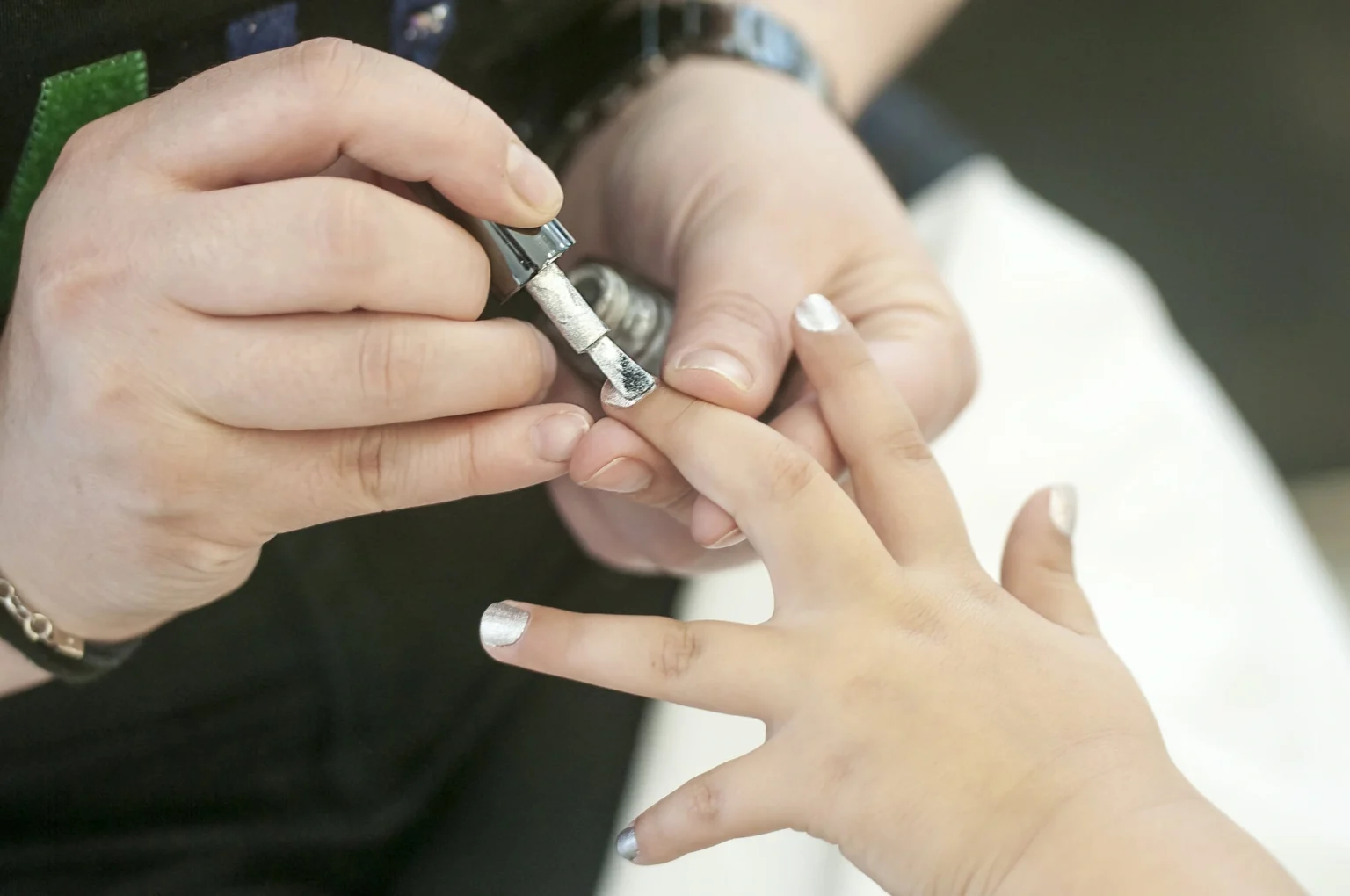
The best kids pedicure service is a delightful blend of fun, pampering, and essential hygiene education, serving as an excellent introduction to self-care for children. A high-quality children’s pedicure is more than just colorful nails; it ensures foundational skin and nail health, promotes optimal cleanliness, and delivers a relaxing experience that boosts their confidence. This comprehensive guide details every step, ensuring the experience is both memorable and highly beneficial.
The Foundation of the Best Kids Pedicure
Before we dive into the fun colors and foot soaks, the non-negotiable foundation of the best kids pedicure is safety and health. The delicate nature of children’s skin and developing nails requires strict adherence to professional standards.
1. Non-Negotiable Sanitation Standards for a Safe Pedicure
- Strict Tool Sterilization: Any reputable salon offering a kids pedicure must use sterilized tools. Look for tools that are kept in sealed, single-use pouches, or disposable items where appropriate. Cross-contamination is a serious concern, especially for children who might have small cuts or abrasions.
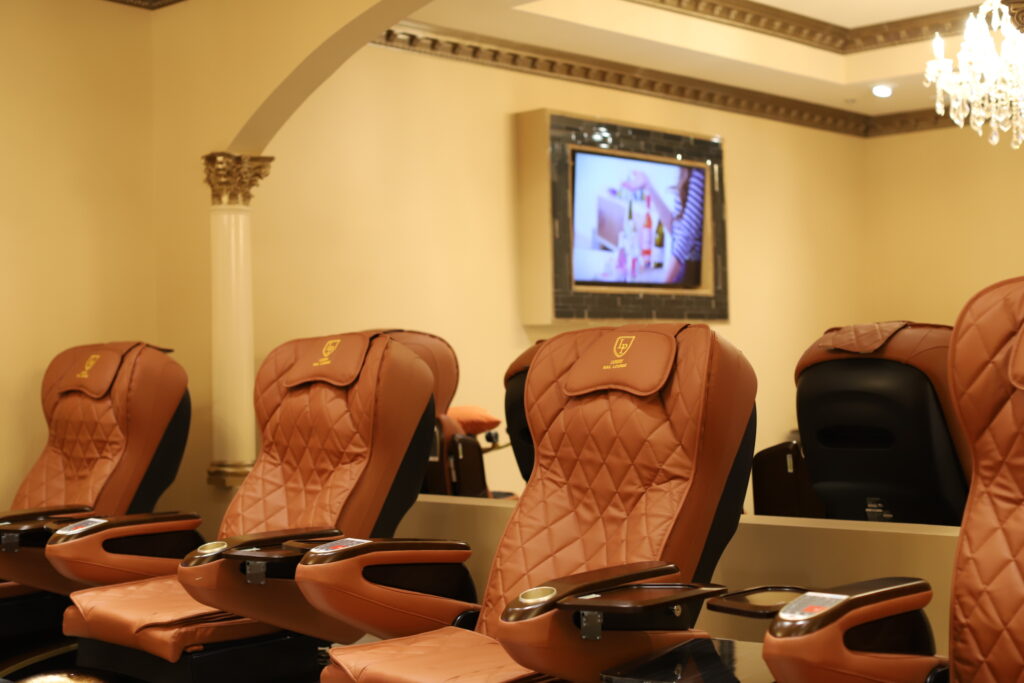
- Clean Foot Baths: The foot tub, whether jet-powered or non-jetted, must be meticulously cleaned and disinfected between clients. For the absolute safest option, many parents prefer liner tubs or tubs that utilize disposable plastic liners for the pedicure soak.
- Technician Hygiene: The professional should wash their hands thoroughly before and after the service and wear clean gloves during any trimming or filing process.
2. Product Selection: Non-Toxic is Key for the Kids Pedicure
Children are more susceptible to absorbing chemicals through their skin and nails. Choosing the right products is paramount.
- “Free” Polishes: Insist on using polishes labeled as “3-Free,” “5-Free,” “7-Free,” or ideally, “10-Free.” This guarantees the exclusion of harsh chemicals like Formaldehyde, DBP, Toluene, Camphor, and Formaldehyde Resin.
- Water-Based Options: Water-based, peel-off polishes are an excellent, highly recommended choice for kids, as they are non-toxic, virtually odorless, and can be removed easily without harsh acetone.
- Mild Soaps and Lotions: The soaking solution should be a mild, gentle soap, or simply warm water with a fun, natural element like a few drops of calming lavender essential oil. Lotions must be hypoallergenic and fragrance-free or lightly scented with natural ingredients.
The 7 Essential Steps for a Flawless Kids Pedicure Service
To achieve salon perfection tailored for children, focus on these seven key procedural elements.
1. The Gentle Soak and Exfoliation Phase of the Kids Pedicure
A proper pedicure begins with a warm, relaxing soak. The goal here is to cleanse and soften, not deep-cleanse as aggressively as an adult pedicure.
- Soaking Time: Keep the soak brief, typically 5-10 minutes, to prevent over-hydrating the delicate nail plate.
- Gentle Buffing: Instead of harsh scraping or razors (which are illegal and dangerous), use a mild, grainy sugar scrub or soft exfoliating glove to gently buff the heels and balls of the feet. Never use strong callus removers on children.
2. Finding the Perfect and Safe Nail Shape for the Kids Pedicure
The most critical step for long-term health is shaping the nail correctly.
- The Straight Cut Rule: Always cut the toenail straight across.
- The Rounded Corner: Use a soft, fine-grit emery board to gently file the sharp corners into a slight curve (the Squoval shape). This prevents the nail edge from digging into the skin, which is the primary cause of ingrown toenails. The nail should always extend slightly past the tip of the toe.
3. The Gentle Cuticle and Nail Plate Care in the Kids Pedicure
A child’s cuticles should virtually be left alone.
- No Cutting: Cuticles should never be cut. Cutting the protective cuticle barrier can easily lead to infection.
- Push-Back Only: If necessary, a professional may very gently push back the cuticle using a soft towel or a cotton-tipped wooden pusher. Focus on cleaning debris off the nail plate itself.
4. The Base Coat: Prioritizing Protection in the Kids Pedicure
A safe, thin layer applied before the color serves two functions:
- Stain Prevention: It creates a barrier, preventing bright pinks or reds from leaving a yellow stain on the natural nail.
- Adhesion: It helps the color polish adhere smoothly, ensuring the pedicure lasts longer despite active play.
5. Choosing and Applying the Right Polish Type for Your Kids Pedicure
This is the fun part, but efficiency is key to avoiding boredom.
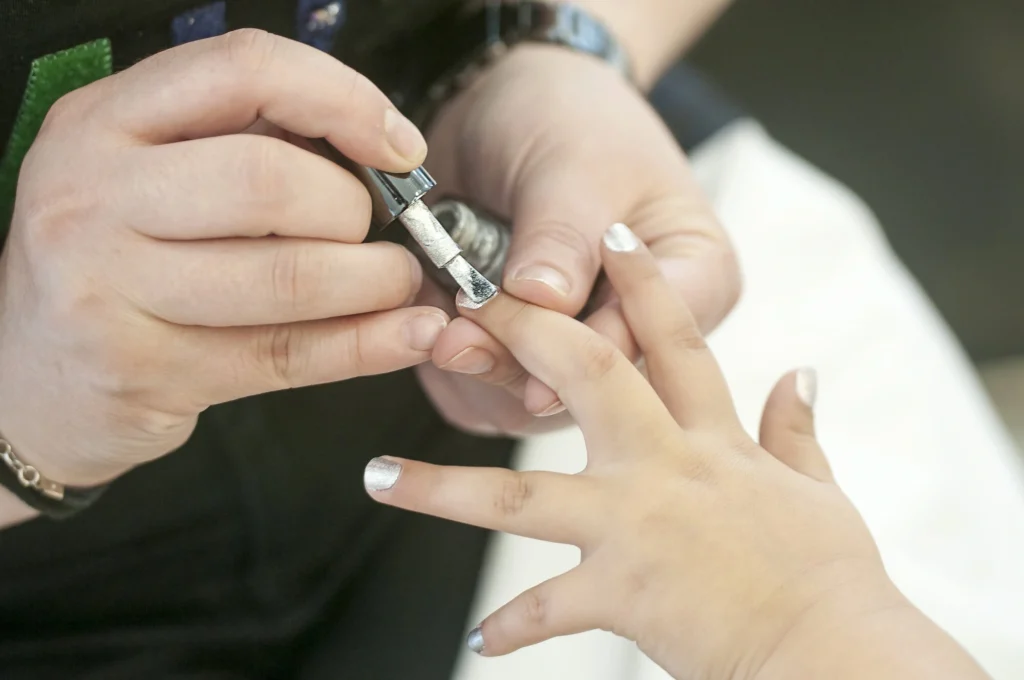
- Quick Application: Use thin, quick coats. A good technician understands the need to work quickly with children.
- The Polish Formula: As mentioned, non-toxic polishes are essential. Allow a minute or two of drying time between the first and second coats.
- Engagement: Engage the child during this process – let them choose a small decal or glitter accent for the ultimate fun pedicure finish.
6. The Power of the Fast-Drying Top Coat for the Kids Pedicure
The top coat seals the deal and provides protection.
- Chip Resistance: A high-quality Top Coat is crucial for chip resistance, vital for active kids who spend time running and playing.
- Speed is Essential: Using a quick-dry top coat dramatically reduces the overall drying time, minimizing the risk of a smudged pedicure before leaving the salon.
7. Hydration and a Soothing Massage in the Kids Pedicure
The service should conclude with relaxation and moisture.
- Massage Technique: The massage should be very light and brief, focused on moisturizing the skin. Avoid deep pressure points often used in adult massages.
- Cuticle Oil and Cream: Apply a non-comedogenic, mild cuticle oil to the skin around the nail, followed by a generous amount of hypoallergenic foot cream massaged into the entire foot and lower leg.
At-Home Aftercare: Extending the Life of the Kids Pedicure
How parents treat their child’s feet after the salon is just as important as the initial pedicure service. Consistent aftercare ensures healthy feet and maximizes the value of the service.
- The Drying Rule: Be strict about drying time. Even quick-dry polish needs time to cure. Ensure the child wears open-toe shoes or sandals for at least 1-2 hours after the polish is applied. Never put socks or closed-toe shoes on immediately.
- Daily Moisturizing Routine: Make applying lotion a fun nightly ritual. Healthy, moisturized skin prevents cracks and dryness, especially around the heel.
- The Power of Cuticle Care: Teach the child (or parent) to apply a small drop of mild cuticle oil daily. This simple step keeps the skin supple and prevents painful hangnails, ensuring the pedicure looks fresh longer.
- Proper Shoe Fit: Regularly check that shoes fit correctly. Tight shoes are a leading cause of ingrown toenails, undoing the healthy shaping achieved during the pedicure.
The Developmental Benefits of the Kids Pedicure
The best kids pedicure offers more than just cosmetic appeal; it provides important developmental and educational benefits.
- Hygiene Education: The process is a fantastic, hands-on way to teach children about foot hygiene, stressing the importance of clean nails and soft skin.
- Relaxation and Mindfulness: The gentle soak and massage can introduce children to the concept of relaxation and mindfulness, providing a quiet, soothing break from their usually fast-paced days.
- Sensory Experience: The warm water, soft scrubbing, and gentle massage provide positive sensory input, which can be particularly beneficial for some children.
Conclusion
A kids pedicure is more than a cute treat — it’s a foundation for healthy habits and confidence. The best kids pedicure combines gentle techniques, a sterile environment, and non-toxic products to keep little feet clean, soft, and happy. It’s a safe, relaxing ritual that supports proper nail care, hydration, and hygiene — helping children feel confident as they run, play, and explore.