The question does getting regular manicures good for nails often comes up when people think about adding a manicure to their self-care routine. In reality, the impact of routine nail care is not a simple yes-or-no matter, but rather depends on factors such as technique, the products used, and how frequently the nails are treated.
Understanding What “Regular Manicures” Really Mean
Before evaluating whether regular nail care is beneficial, it’s important to define what a regular manicure includes. Typically, a standard manicure involves nail trimming, shaping, cuticle care, surface buffing, moisturizing, and sometimes polish application. When performed correctly, these steps are designed to maintain nail hygiene and appearance rather than damage the nail plate.
From a biological standpoint, nails are composed primarily of keratin. They do not “breathe,” but they are affected by moisture balance, mechanical stress, and chemical exposure. Whether routine manicures support or weaken nails depends on how these factors are managed during the process.

The Potential Benefits of Getting Manicures Consistently
1. Improved Nail Hygiene and Structure
One of the most overlooked advantages of routine manicures is basic nail hygiene. Regular trimming and shaping reduce the likelihood of breaks, snags, and uneven stress along the nail edge. This structural balance helps prevent peeling and splitting, especially for people with naturally brittle nails.
Professional nail technicians are also trained to clean beneath the nail edge and remove surface debris safely, reducing the risk of bacterial or fungal buildup.
2. Cuticle Care and Nail Growth Support
Healthy cuticles play a critical role in nail growth by protecting the nail matrix. When cuticles are gently pushed back and properly moisturized, they maintain their barrier function without becoming dry or torn.
Contrary to common myths, well-managed cuticle care during manicures can support healthier nail growth patterns by minimizing micro-tears that allow pathogens to enter the nail bed.
3. Moisture Balance and Conditioning
Repeated exposure to water, detergents, and dry air strips natural oils from the nails. Many manicure treatments include oils, creams, and massage that help restore moisture balance. Hydrated nails are more flexible and less prone to cracking.
This conditioning aspect is one reason why consistent professional nail care is often associated with stronger-looking nails over time.
When Regular Manicures Can Become Harmful
While the question does getting regular manicures good for nails can often be answered positively, problems arise when techniques or products are misused.
1. Over-Buffing the Nail Plate
Aggressive buffing removes layers of keratin from the nail surface. While occasional light buffing can smooth ridges, repeated heavy buffing thins the nail plate, leading to weakness and sensitivity.
Healthy manicures should focus on minimal surface abrasion rather than excessive smoothing.
2. Improper Cuticle Cutting
Cutting cuticles instead of gently pushing them back increases the risk of infection and inflammation. Frequent cuticle cutting can compromise the nail’s natural defense system, making nails more vulnerable rather than healthier.
3. Chemical Stress from Products
Some polishes, removers, and nail treatments contain harsh solvents. Frequent use without adequate recovery time can dehydrate nails and surrounding skin. This does not mean polish is inherently harmful, but it highlights the importance of product quality and moderation.
The Role of Nail Polish in Nail Health
A common concern tied to the idea of frequent manicures is polish use. Nail polish itself does not damage nails directly; however, constant removal with acetone-based removers can lead to dryness.
Using a protective base coat and alternating polished periods with bare-nail recovery time can help maintain nail resilience. From a technical perspective, polish can even act as a temporary protective layer against mechanical wear.
Professional vs. At-Home Manicures
Professional Manicures
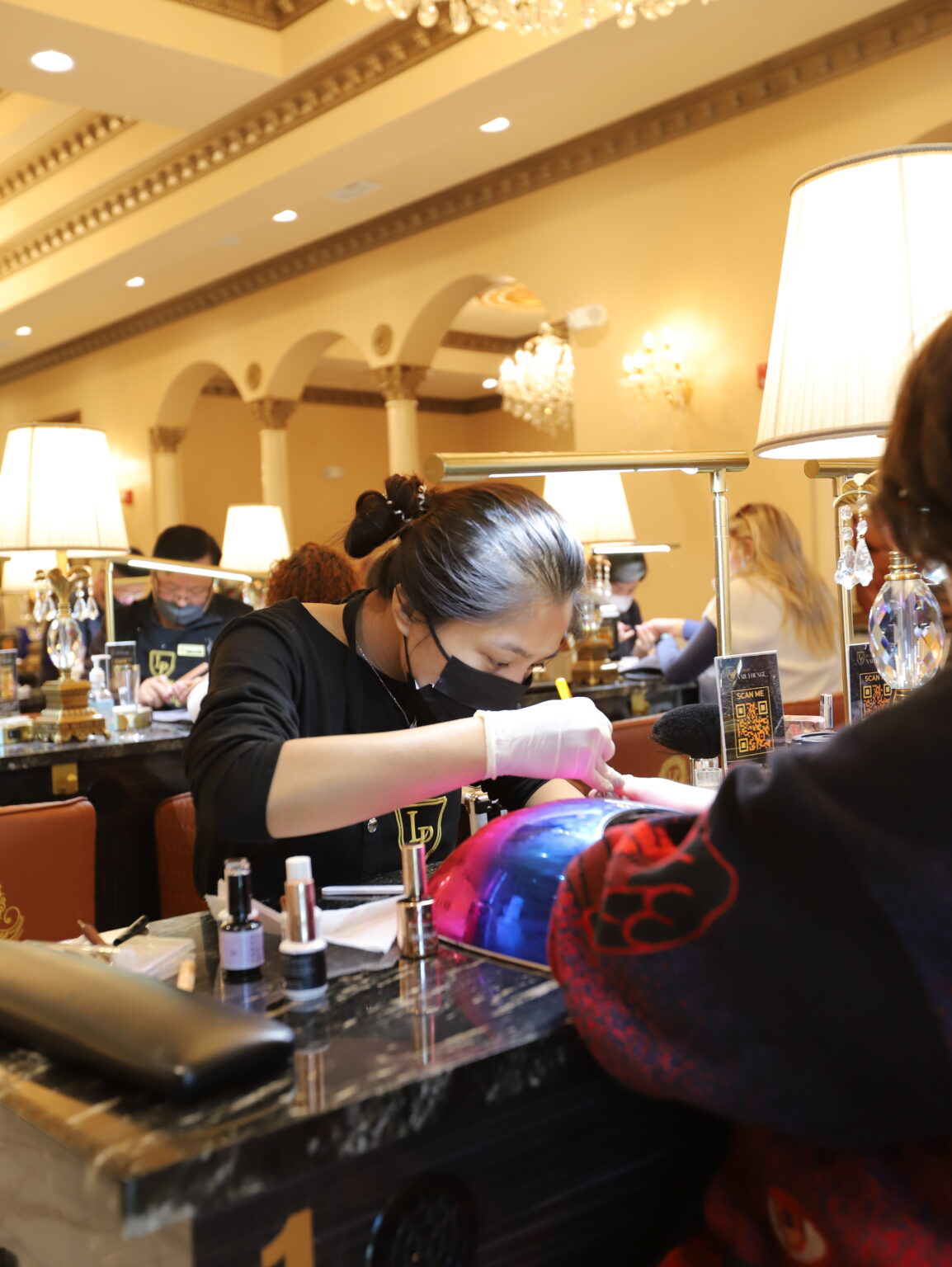
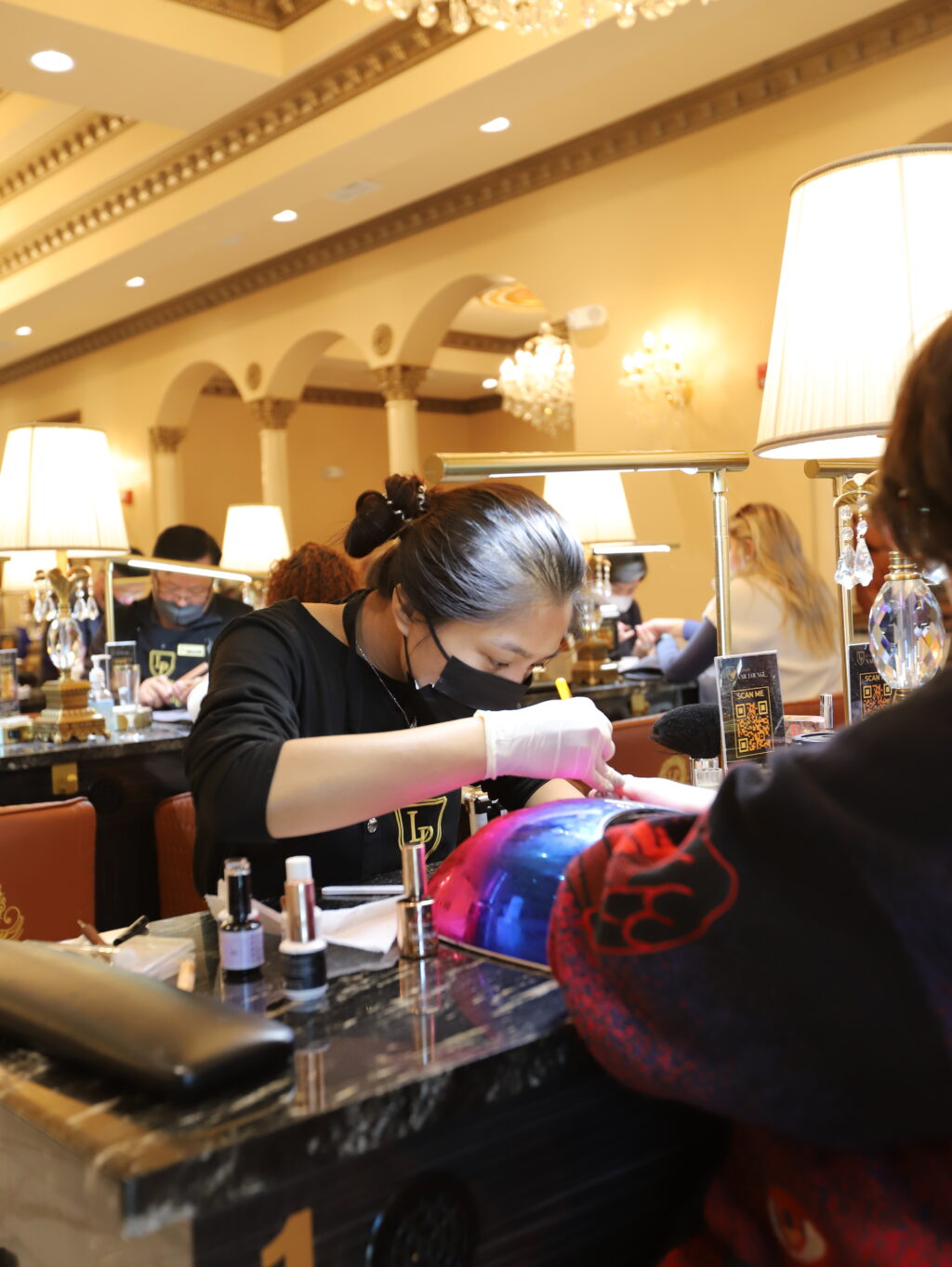
Professionally performed manicures tend to be more consistent and safer when hygiene standards are followed. Sterilized tools, trained techniques, and controlled pressure all reduce the risk of nail trauma.
At-Home Manicures
Home manicures can be equally beneficial if done carefully. The key is using proper tools, avoiding aggressive techniques, and prioritizing nail hydration. Many people maintain excellent nail health with simple, routine home care.
The core issue is not where the manicure is done, but how well nail biology is respected.
How Frequency Affects Nail Health
The phrase does getting regular manicures good for nails often implies frequent appointments. Frequency alone is not harmful; rather, it’s cumulative stress that matters.
A weekly or biweekly manicure focused on maintenance, hydration, and gentle care is generally considered safe for most people. Problems typically arise when nails are constantly exposed to harsh filing, chemical treatments, or prolonged occlusive coatings without breaks.
Signs That Your Manicure Routine Is Helping
You can usually tell if your manicure habits are beneficial by observing these indicators:
- Nails feel flexible rather than brittle
- Reduced peeling or splitting
- Cuticles appear smooth and hydrated
- Nail surface remains even without excessive thinning
When these signs are present, consistent nail care is likely supporting overall nail health.
Signs That Your Routine Needs Adjustment
On the other hand, reconsider your routine if you notice:
- Increased nail sensitivity
- Translucent or paper-thin nail plates
- Persistent dryness around cuticles
- Frequent breakage despite regular care
These symptoms suggest that some aspect of the manicure process may be too aggressive.
Scientific Perspective on Long-Term Nail Care
From a dermatological viewpoint, nails respond best to low-impact, consistent maintenance. The benefits of routine manicures come from controlled grooming, protection, and hydration-not from cosmetic enhancement alone.
Therefore, asking does getting regular manicures good for nails is really about understanding balance. When manicures prioritize nail integrity over aesthetics, they can be a supportive part of long-term nail health.
Conclusion
So, does getting regular manicures good for nails? The evidence suggests that it can be, provided the focus is on gentle techniques, proper hydration, and mindful product use. Regular nail care done correctly helps maintain structure, cleanliness, and moisture balance, all of which contribute to healthier-looking nails.
Ultimately, manicures are neither inherently beneficial nor harmful. Their impact depends on how they are performed, how often they are done, and whether nail health is treated as the priority rather than just appearance.