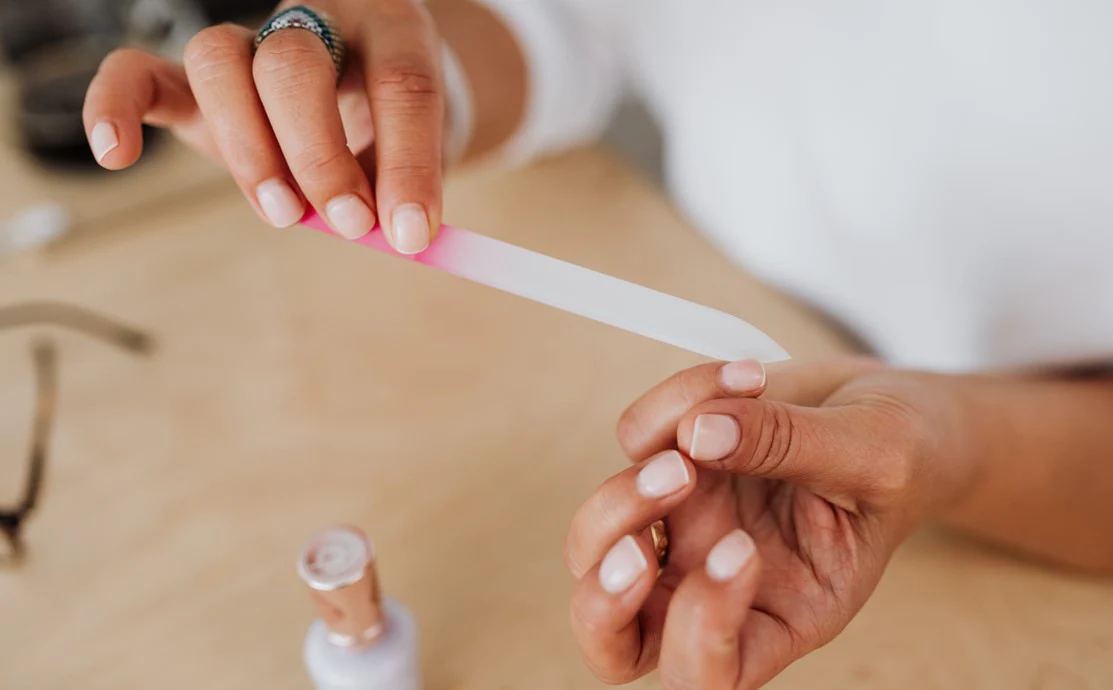
When people ask does a regular manicure damage your nails, they are really asking whether routine nail care and cosmetic polish applications can weaken, dehydrate, or thin the nail plate over time. In this article, we break down the science behind manicure processes to determine what’s truly harmful and what’s simply poor technique.
Understanding the Structure of the Natural Nail
To evaluate whether routine polish applications harm your nails, we first need to understand the biology involved. The nail plate is composed of densely packed keratin cells arranged in layers. This structure is naturally flexible yet durable, capable of resisting moderate pressure. Contrary to popular belief, nails do not “breathe”; instead, they receive nutrients from the bloodstream and the nail matrix beneath the cuticle.
Since nails are non-living keratin tissue, they cannot heal themselves like skin, meaning any physical damage—over-filing, scraping, peeling—can accumulate over time if the manicure process is consistently too aggressive.
How a Regular Manicure Works
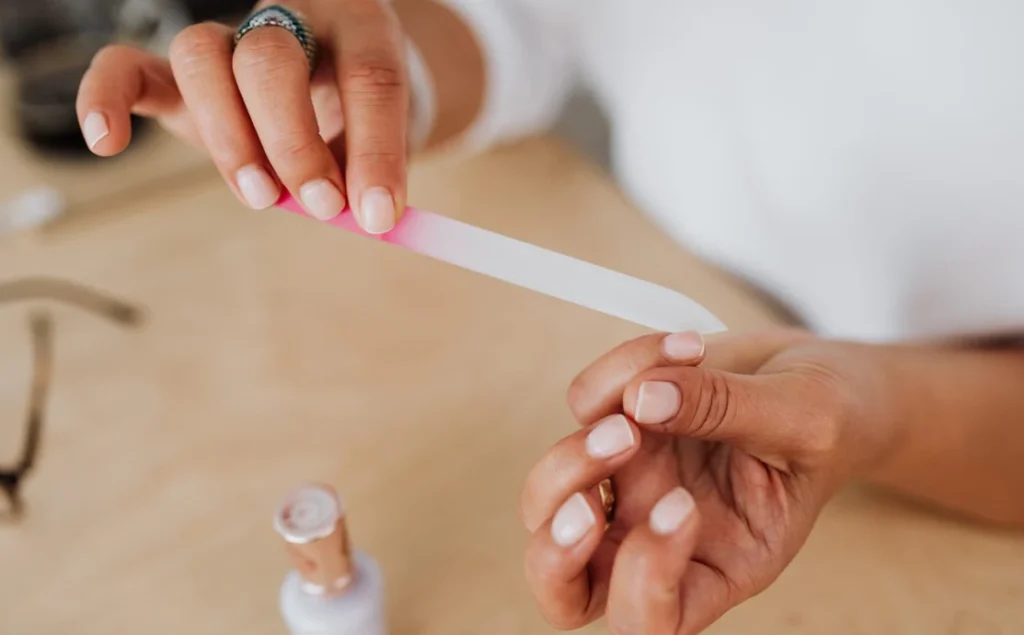
A standard manicure involves several steps: shaping, gentle cuticle care, base coat application, color polish, and top coat sealing. On the surface, these steps are harmless. However, problems arise from extremes: overly harsh filing, improper cuticle removal, low-quality products, or frequent use of acetone-based removers.
Thus, the real question behind does a regular manicure damage your nails becomes more specific: “Does the process itself cause harm, or does misuse of the process do the damage?”
Potential Risks of Routine Manicures
1. Nail Dehydration
One of the most common effects of repeated polish use is dehydration. Frequent exposure to acetone (especially with heavy-duty removers) strips natural oils from the nail plate. This can temporarily make nails brittle or prone to splitting. While dehydration isn’t permanent, it can make nails appear weaker between polish applications.
2. Mechanical Damage
Mechanical trauma happens when the nail plate is physically compromised. This typically includes:
- Over-buffing the nail surface
- Scraping off polish or gel residue
- Filing too aggressively
- Using metal tools incorrectly
These actions thin the keratin layers, causing peeling or sensitivity. These aren’t caused by the manicure itself but by poor technique.
3. Cuticle Mismanagement
Cuticles protect the nail matrix from bacteria and fungus. Cutting too deeply or pushing too hard can create micro-tears that lead to infections or chronic dryness. A manicure is safe when cuticles are gently pushed back and moisturized, not aggressively trimmed.
Factors That Determine Nail Health During Manicures
- Product Quality: Just as polish chemistry influences drying time, it also determines whether nails stay healthy. High-quality polishes and removers tend to include conditioning agents, balanced solvents, and safer film formers that minimize stress on the nail plate.
- Technique: Nail professionals with proper training know how to handle delicate nail tissue. They avoid overly harsh filing, scraping, or clipping. Technique often matters more than product selection when evaluating potential damage.
- Frequency: Another angle of does a regular manicure damage your nails is how often you apply and remove polish. The natural nail benefits from occasional breaks, allowing oils to redistribute and the surface to rehydrate. Manicures are generally safe when spaced 1–2 weeks apart with proper aftercare.
- Nail Preparation Practices: Skipping the base coat is a major mistake. The base coat creates a non-porous buffer between the pigmentation and the nail plate, reducing staining and surface damage. Improper removal—such as peeling polish off—also contributes far more to nail harm than the polish itself.
Techniques to Keep Nails Healthy While Having Regular Manicures
- Use a Hydrating Remover: Acetone is effective but harsh. Using an acetone-free remover or alternating between acetone and gentler solvents can preserve the natural moisture level in nails.
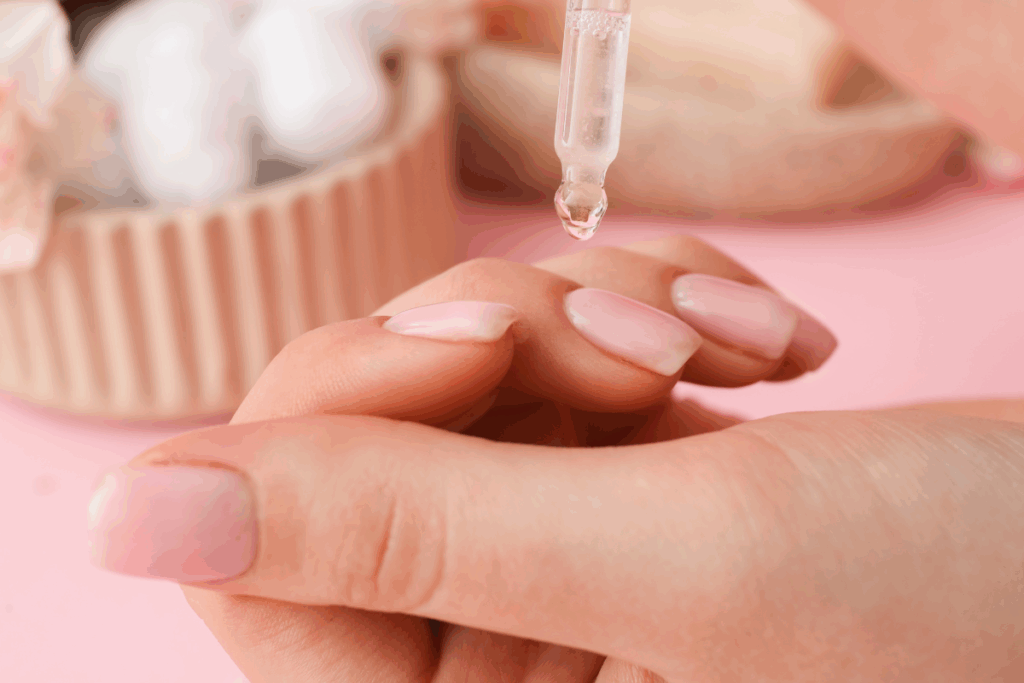
- Apply Nail Oils Daily: Cuticle and nail oils replenish lipids lost through removers and washing. Oils rich in jojoba, vitamin E, or almond oil penetrate the keratin layers, restoring flexibility and minimizing breakage.
- Apply Thin Coats: Just as thin coats improve drying time, they also reduce the need for heavy scraping during removal. Thinner layers detach more cleanly when dissolved by remover.
- Take Breaks: A manicure break—24 to 48 hours without polish—allows the nail plate to rehydrate naturally. Nail technicians often refer to this as a “rest period,” helping prevent long-term brittleness.
- Avoid Aggressive Buffing: Buffing should be limited to creating a smooth, lightly etched surface. Over-buffing is one of the fastest ways to thin the nail, making it more prone to peeling.
Myths About Regular Manicures
Myth 1: Nails Need to “Breathe”
Nails do not absorb oxygen from the air. The nail matrix provides all necessary nutrients. What nails do need is protection from excessive chemicals and mechanical stress.
Myth 2: All Polish Weakens Nails
Polish itself is not inherently damaging. The risks come from removal techniques, incompatible products, or failure to moisturize.
Myth 3: Stronger Nails Require Avoiding All Polish
Interestingly, some people experience fewer breaks when wearing polish because the layers act as a temporary shield. The key is proper care, not total avoidance.
Does Routine Nail Care Harm Your Nails?
The scientific consensus is that routine manicures – when performed correctly – do not inherently damage healthy nails. Harm occurs only when the process is rushed, products are low quality, or techniques are too aggressive. With proper hygiene, hydration, product selection, and gentle handling, regular manicures can be part of a healthy beauty routine without causing long-term issues.
Conclusion
The question “does a regular manicure damage your nails” can be answered simply: not when done properly. Nail polish, base coats, and top coats do not destroy the nail plate. Instead, improper removal practices, aggressive filing, and moisture loss are typically responsible for visible damage. By prioritizing technique, hydration, and high-quality products, you can enjoy frequent manicures while keeping your natural nails strong, flexible, and healthy.