
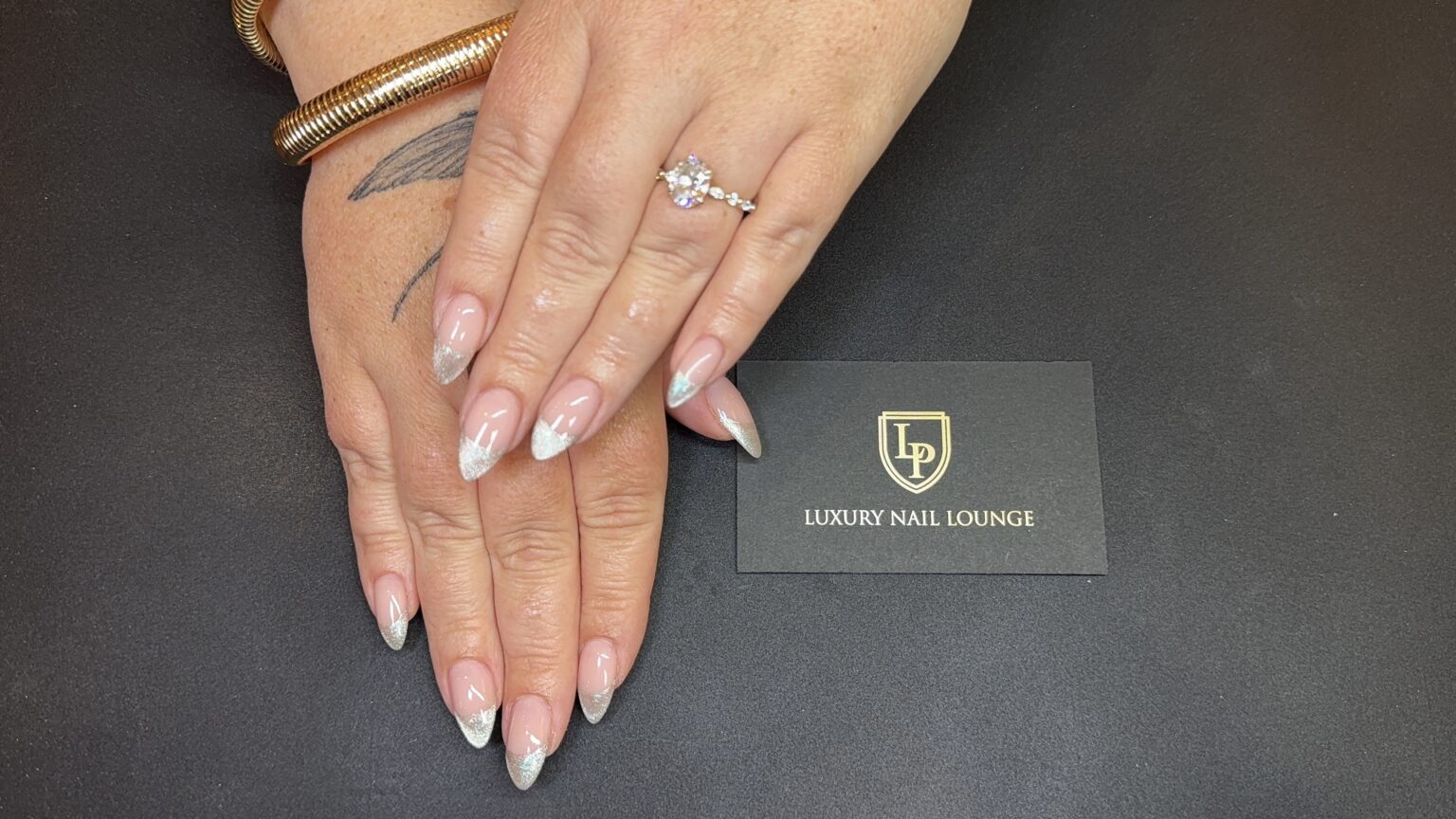
In the world of manicure techniques, many people wonder are gel manicures darker than regular manicures and how this difference affects the final look. Understanding how each manicure type interacts with color, light, and application methods can help clarify this common question.
What Determines Color Appearance in a Manicure?
At a fundamental level, whether a manicure appears darker or lighter depends on several technical factors rather than just the polish type itself. These include pigment concentration, layering, curing process, and the way light reflects off the nail surface.
Both gel and regular manicures use colored polish, but their chemical composition and application process differ significantly. These differences influence how color is perceived once the manicure is complete.
Regular nail polish air-dries and typically forms a thinner layer on the nail. Gel polish, on the other hand, is cured under UV or LED light, creating a denser and more uniform coating. This distinction plays a major role in how color intensity is perceived.
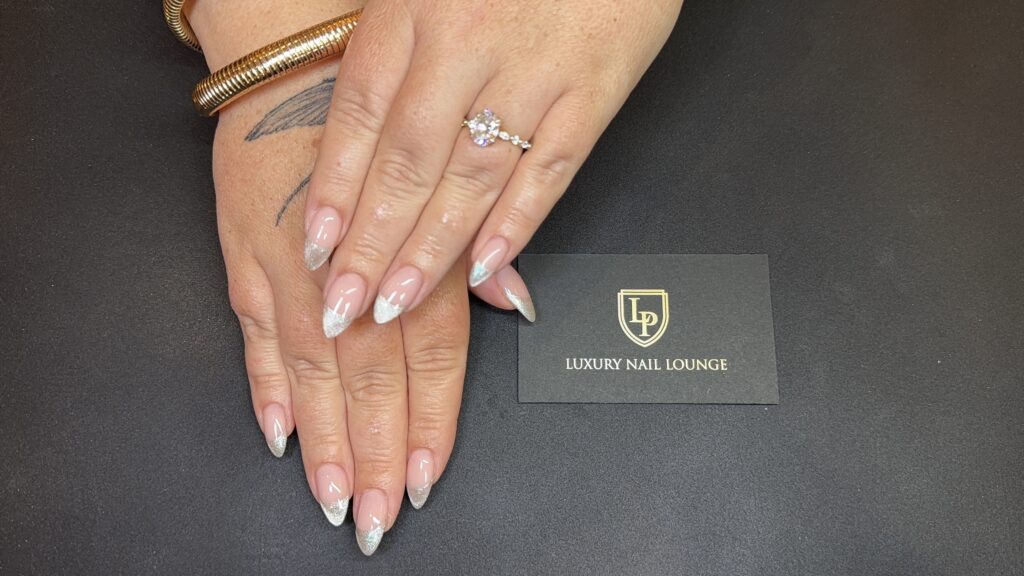
Are Gel Manicures Visibly Darker?
The idea that gel manicures appear darker is not entirely a myth, but it is not universally true either. In many cases, gel polish can look slightly deeper or more saturated than its regular counterpart. This effect is primarily due to the formulation and curing process rather than a deliberate difference in color.
Gel formulas often contain higher pigment density. When cured, the polish forms a smooth, glossy surface that enhances color depth. This can make shades appear richer, especially in darker tones like burgundy, navy, or deep red.
However, this does not mean gel manicures always look darker. With lighter shades such as nude, pastel, or sheer pink, the difference may be minimal or even unnoticeable. In these cases, the finish and shine are more distinguishable than the color depth itself.
Key Differences Between Gel and Regular Polish
Understanding the structural differences between these two manicure types helps explain variations in color perception.
Pigment Concentration
Gel polishes are typically formulated with more concentrated pigments. This allows for better coverage in fewer coats, which can result in a more intense appearance. Regular polishes may require multiple layers to achieve the same opacity, sometimes leading to a slightly softer look.
Layer Thickness
Gel manicures tend to create a thicker coating on the nail. This added depth can amplify the color, making it appear more vibrant or slightly darker. Regular polish layers are thinner and may allow more light to pass through, softening the final tone.
Curing vs. Air Drying
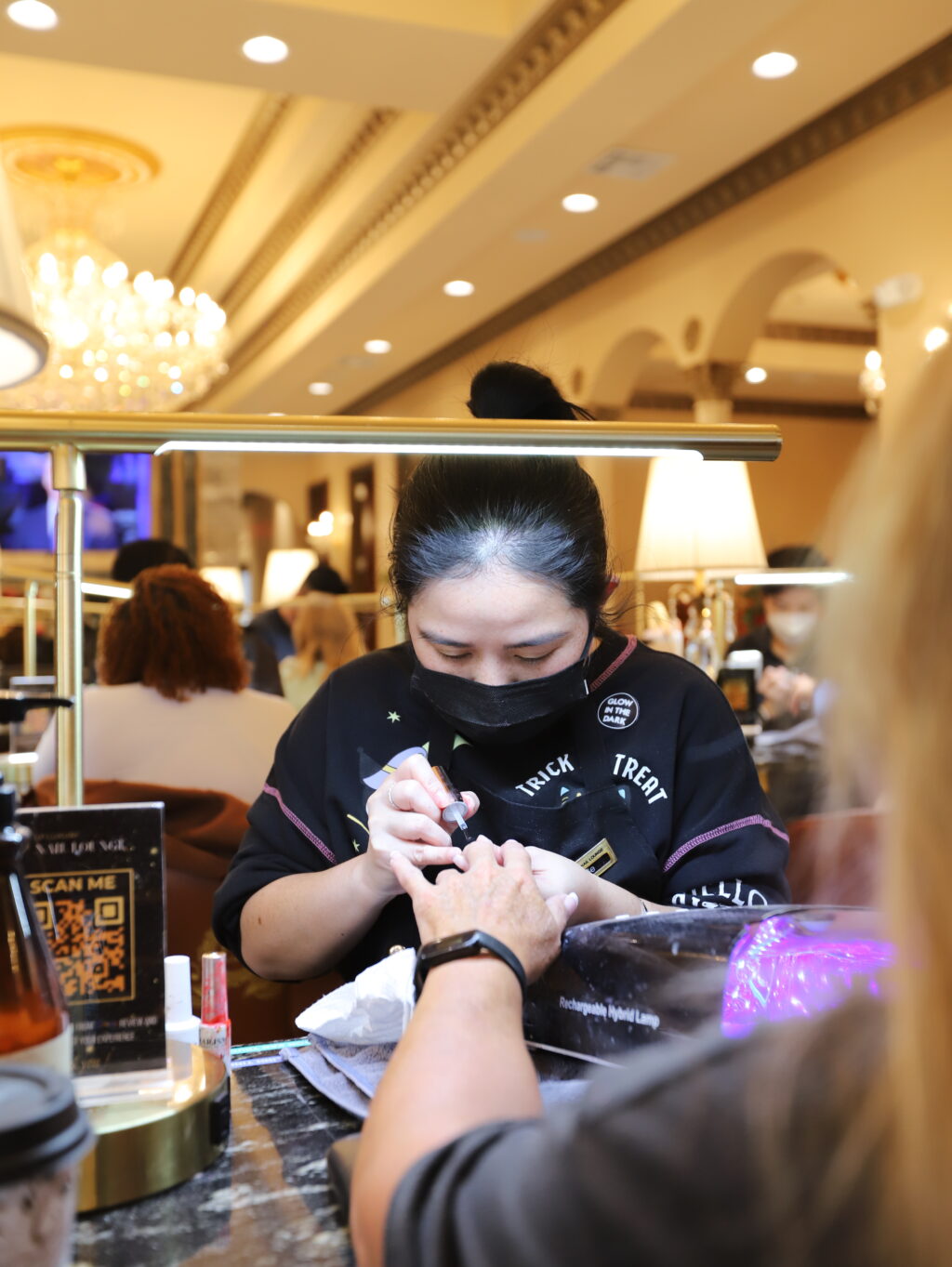
The curing process used in gel manicures locks the polish into a solid, glossy state almost instantly. This creates a glass-like surface that reflects light evenly, enhancing color clarity and saturation. In contrast, regular polish dries gradually, which can lead to minor inconsistencies in texture and finish.
Shine and Light Reflection
One of the most noticeable differences is shine. Gel manicures maintain a high-gloss finish for an extended period, which can intensify how color is perceived. A glossy surface reflects light more effectively, making shades look deeper and more vivid.
When Do Gel Nails Look Darker?
There are specific scenarios where gel manicures are more likely to appear darker than regular ones.
Darker shades benefit the most from gel formulations. Colors like plum, forest green, or black often look richer and more dimensional when applied as gel polish. The smooth finish and high pigment load enhance their visual impact.
Another situation is when comparing the same brand or color line in both gel and regular versions. Even when labeled identically, the gel version may appear slightly deeper due to formulation differences.
Lighting conditions also play a role. Under artificial lighting, gel nails often reflect more light, creating contrast that can make the color appear more intense.
When the Difference Is Minimal
Despite these observations, there are many cases where gel and regular manicures look nearly identical.
Neutral tones such as beige, milky white, or soft pink typically show little variation between the two types. These colors rely more on subtle undertones than depth, making differences harder to detect.
Additionally, when regular polish is applied in multiple thin layers with a high-quality top coat, it can closely mimic the glossy finish of gel polish. In such cases, the visual distinction becomes minimal.
Color Consistency and Longevity
Another factor often confused with darkness is consistency over time. Gel manicures maintain their original appearance longer due to their durability and resistance to chipping.
Regular polish may fade slightly, develop minor chips, or lose shine after a few days. This gradual wear can make the color appear lighter or less vibrant compared to its initial application.
Gel polish, by maintaining its gloss and structure, preserves the original color intensity. This consistency can give the impression that gel nails are inherently darker, when in reality they are simply retaining their original look better.
Choosing Between Gel and Regular Based on Appearance
If your primary concern is how dark or vibrant a color appears, both manicure types can achieve similar results with proper technique. The choice often comes down to preference in finish, durability, and maintenance.
Gel manicures are ideal for those who want long-lasting shine and consistent color. They are especially suitable for bold or dark shades where depth and richness are desirable.
Regular manicures offer more flexibility and are easier to change frequently. They are a practical choice for lighter colors or for individuals who prefer a softer, more natural appearance.
Design Considerations for Color Accuracy
To achieve the desired color outcome, it is important to consider a few practical aspects regardless of manicure type.
Base coat selection can influence how color appears on the nail. A neutral or opaque base can enhance brightness, while a clear base allows the natural nail tone to subtly affect the final shade.
Application technique also matters. Even, thin layers ensure consistent color distribution and prevent uneven dark spots or streaks.
Top coat choice plays a role as well. A glossy top coat enhances depth and saturation, while a matte finish can soften the color, making it appear lighter and more muted.
Balancing Expectations with Reality
While the question “do gel nails look darker than traditional polish” is common, the answer depends on context. Differences in perception are influenced by multiple variables, including lighting, nail preparation, and individual color sensitivity.
Rather than focusing solely on whether one type is darker, it is more useful to consider how each method enhances color in its own way. Gel polish emphasizes depth and shine, while regular polish offers subtlety and flexibility.
Who Should Care About This Difference?
This distinction is most relevant for individuals who are particular about color accuracy, such as those matching nails to outfits or specific aesthetics.
Professionals in nail care also consider these differences when recommending products or techniques to clients. Understanding how gel and regular polish behave ensures better results and client satisfaction.
For everyday users, the difference is often secondary to factors like convenience, cost, and maintenance.
Conclusion
In the broader discussion of manicure aesthetics, the question are gel manicures darker than regular manicures highlights the importance of formulation, technique, and visual perception. While gel polish can sometimes appear deeper and more saturated due to its structure and finish, the difference is not absolute. Both gel and regular manicures are capable of producing beautiful, accurate color results when applied correctly. By understanding how each type interacts with light and pigment, it becomes easier to choose the option that best suits your style, routine, and expectations.