Mother’s Day is often the moment when people slow down and choose a thoughtful pedicure as a way to show care, and the pedicure experience becomes more than routine-it turns into a meaningful act of relaxation and appreciation.
Understanding the Meaning of a Special Occasion Pedicure
A pedicure done for a special occasion is not just about grooming the feet. It is about creating a complete care experience that combines hygiene, aesthetics, and relaxation. While regular maintenance pedicures focus mainly on nail trimming and polish application, occasion-based treatments tend to extend further into skin care and stress relief.
Feet are often overlooked in daily routines, even though they carry the full weight of the body and are exposed to constant pressure. A well-structured pedicure helps restore comfort, improve skin texture, and enhance overall foot health. On meaningful days, this type of care becomes part of a broader self-care ritual rather than a simple beauty service.
Core Differences: Regular Pedicure vs Spa Pedicure
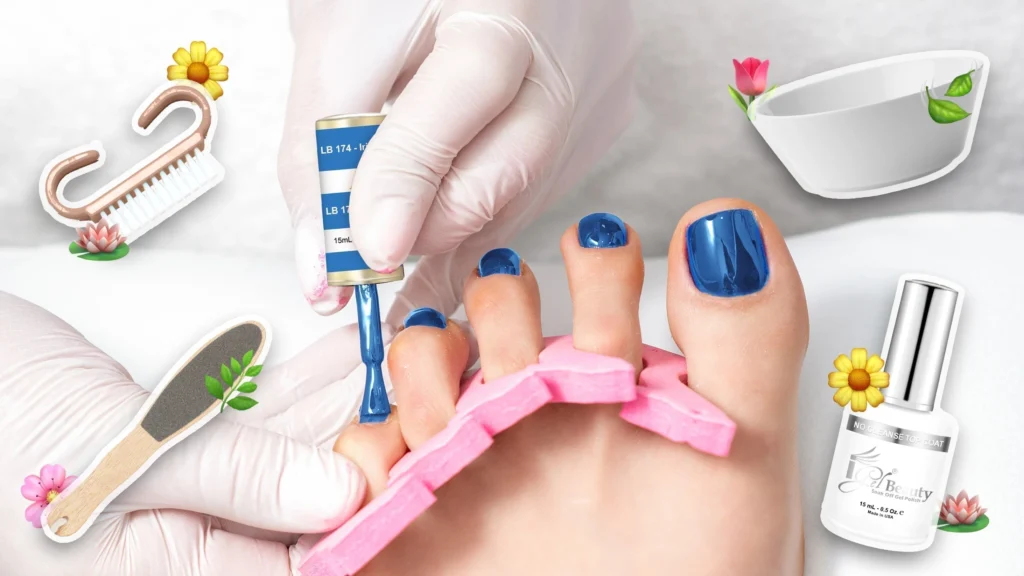
At a basic level, both regular and spa pedicures aim to clean, shape, and beautify the toenails. However, the intention behind each approach differs significantly.
A regular pedicure is typically maintenance-focused. It includes nail trimming, cuticle care, light exfoliation, and polish application. The process is efficient and designed for frequent upkeep.
A spa pedicure expands beyond that. It incorporates deeper exfoliation, moisturizing treatments, massage, and sometimes paraffin wax or herbal soaks. The goal is not only visual improvement but also physical relaxation and skin restoration.
This difference in depth affects both the experience and the results. Regular pedicures are practical and time-saving, while spa pedicures provide longer-lasting softness and a more therapeutic effect on the feet and lower legs.
The Standard Pedicure Process
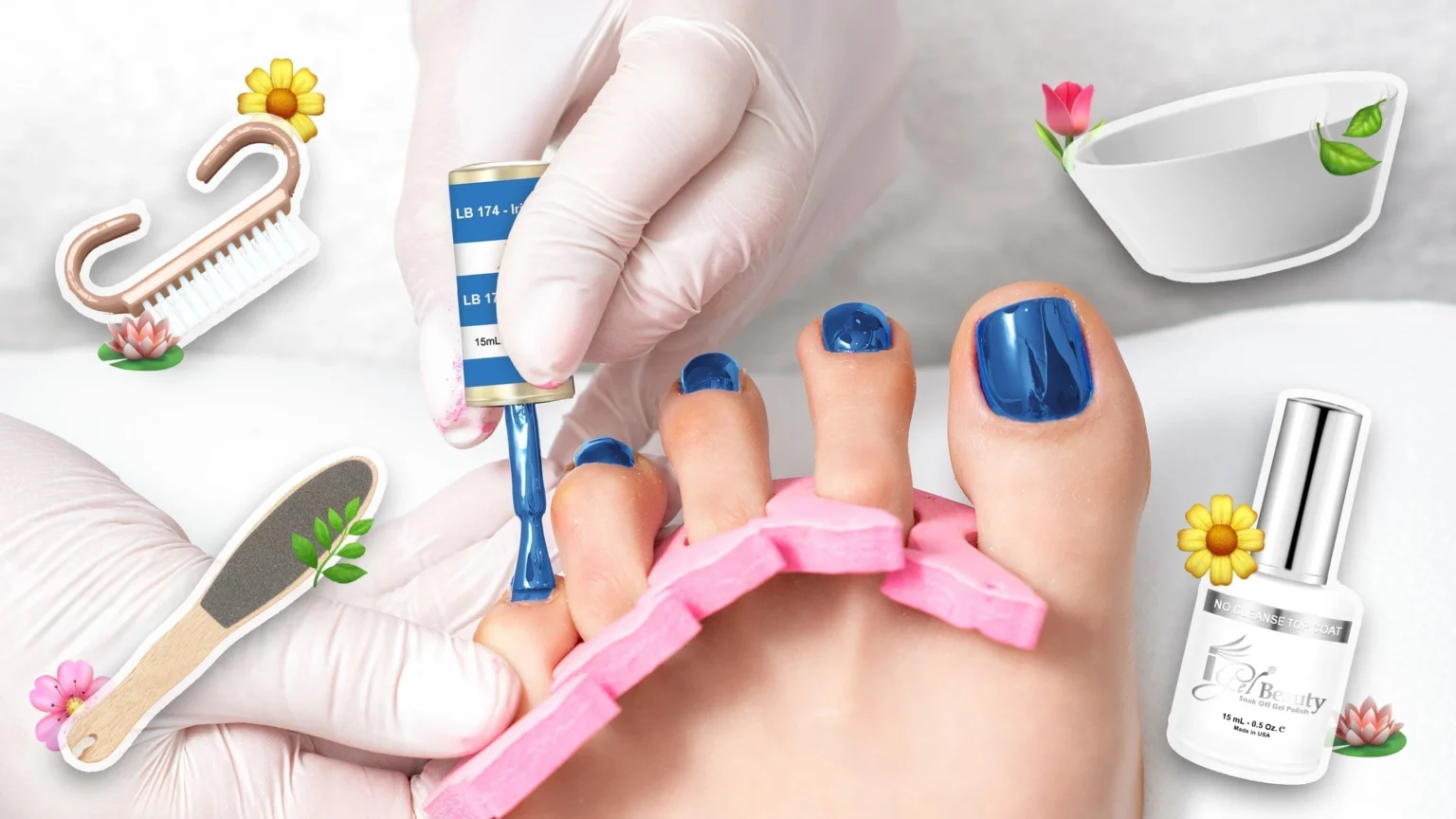
A traditional pedicure usually follows a straightforward sequence of steps designed for efficiency:
- Foot soaking in warm water
- Nail shaping and trimming
- Cuticle pushing and light cleaning
- Basic exfoliation using scrub or pumice
- Moisturizer application
- Nail polish or buffing
The entire process often takes around 30-45 minutes depending on the salon and the condition of the feet.
This approach works well for individuals who want neat and clean feet without spending too much time. It is especially suitable for regular maintenance between more intensive treatments.
The Spa Pedicure Experience
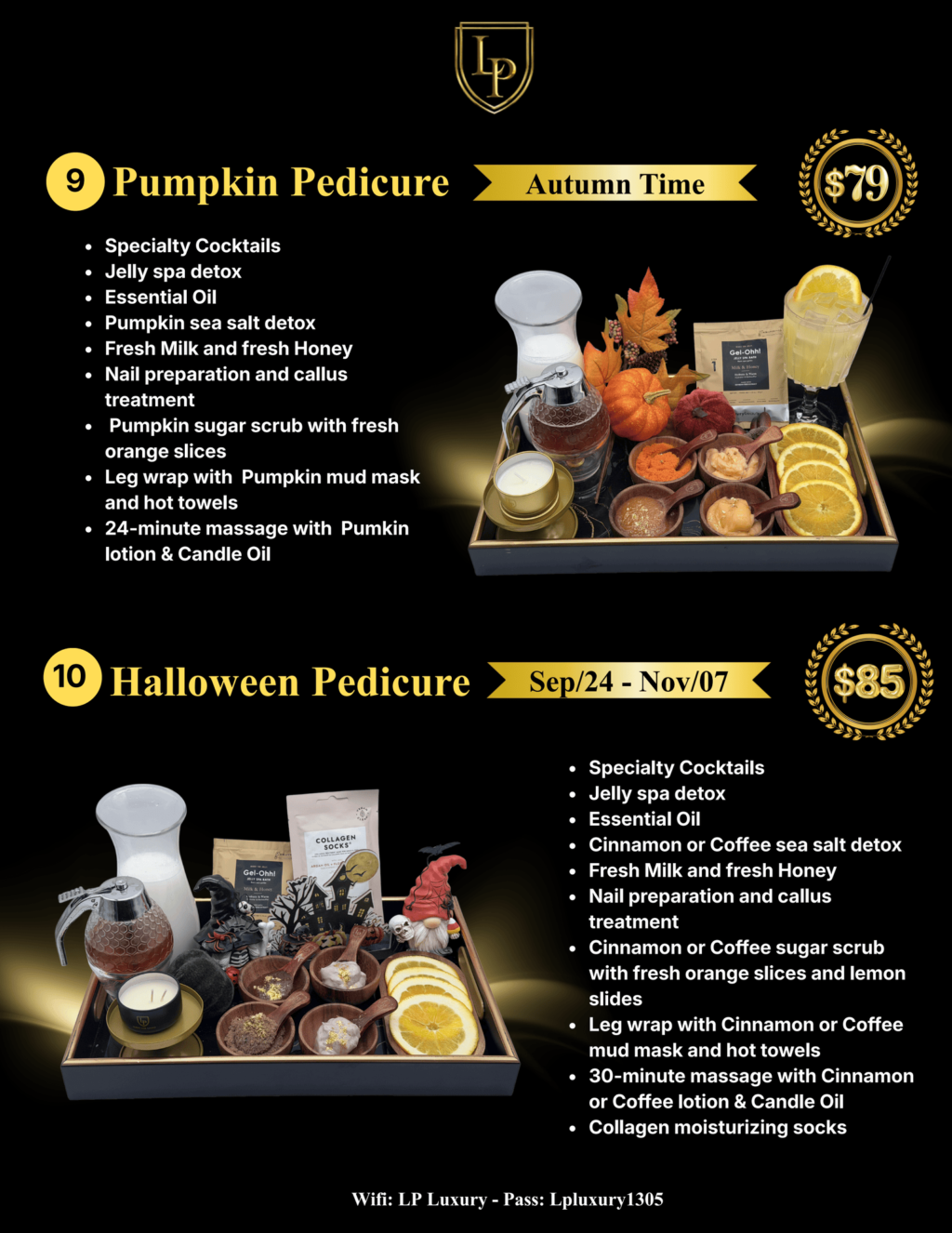
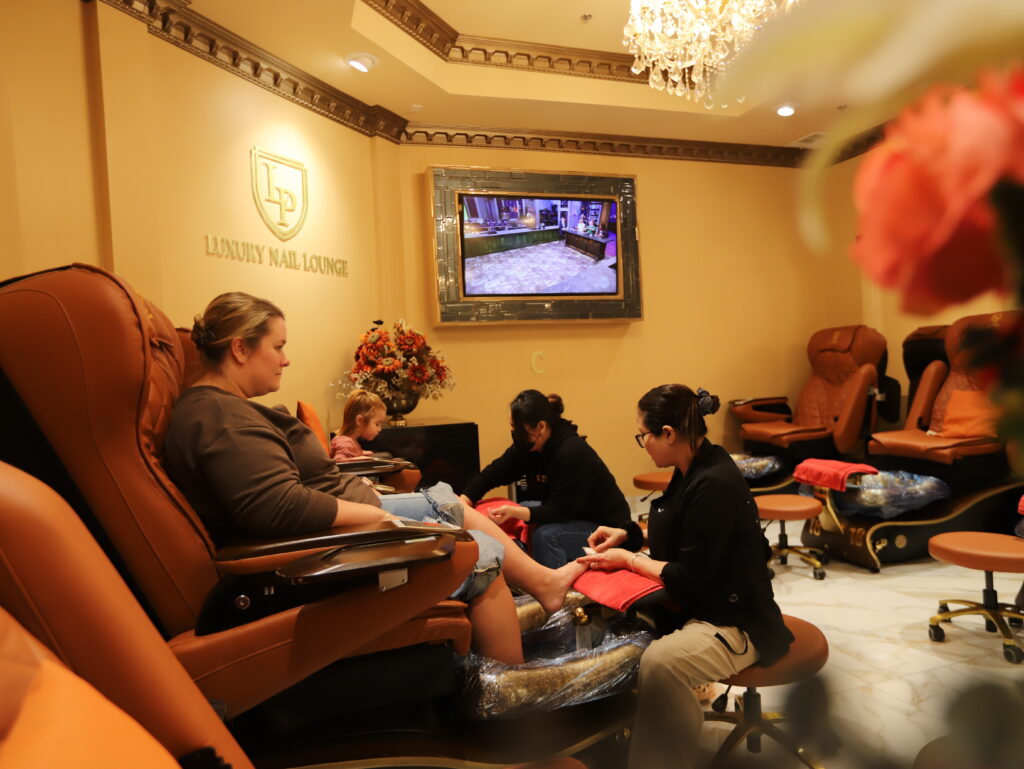
A spa pedicure adds multiple layers of care that transform the treatment into a more immersive experience. Instead of focusing only on nails, it addresses the skin, circulation, and relaxation of the entire foot area.
Key additions often include:
- Extended foot soak with salts or essential oils
- Deep exfoliation using scrubs or exfoliating masks
- Callus removal with more advanced tools
- Hydrating foot masks or paraffin wax treatments
- Extended massage of feet and lower legs
The massage element plays a particularly important role. It helps stimulate blood circulation, reduce tension, and improve overall comfort. Combined with hydration, this creates a noticeable difference in how the feet feel long after the appointment ends.
Why Foot Care Matters on Special Occasions
Foot care is often underestimated compared to hand or facial treatments, yet it plays a significant role in overall comfort and confidence. Healthy feet affect posture, mobility, and even stress levels.
On meaningful occasions, people tend to choose treatments that offer both emotional and physical value. A pedicure can serve as a grounding experience, helping the body relax while also improving appearance. Soft skin, clean nails, and reduced tension contribute to a sense of readiness and self-assurance.
This is especially relevant during family gatherings or personal celebrations where comfort and presentation both matter.
Techniques and Benefits Behind the Treatment
The effectiveness of a pedicure depends on the techniques used during the session.
Exfoliation
Exfoliation removes dead skin cells from the feet, especially around the heels and soles where buildup is most common. This improves texture and prevents rough, cracked skin.
Hydration
Moisturizing treatments restore the skin’s natural barrier. Ingredients such as oils, butters, and humectants help lock in moisture, making the skin softer and more elastic over time.
Massage
Foot massage is more than relaxation. It stimulates circulation, reduces muscle fatigue, and can even support better recovery after long periods of standing or walking.
Together, these techniques transform a simple pedicure into a complete care session that benefits both appearance and comfort.
How Long the Results Last
The longevity of a pedicure depends on both the type of treatment and daily habits afterward.
A regular pedicure may keep nails looking neat for one to two weeks, but skin softness can fade within days if proper care is not maintained. Spa pedicures tend to last longer in terms of skin condition, especially when hydration treatments are included.
However, external factors such as footwear, climate, and activity level also play a role. Regular moisturizing at home can extend the benefits significantly.
Choosing the Right Option for Celebration
When deciding between different types of pedicure for a meaningful occasion, it is important to consider both time and intention.
If the goal is quick grooming before an event, a standard pedicure is usually sufficient. It provides clean, polished nails with minimal time investment.
However, if the focus is on relaxation, emotional value, and deeper care, a spa pedicure offers a more complete experience. Many people choose this option when preparing for family gatherings or personal celebrations because it enhances both physical comfort and mental relaxation.
In fact, for many individuals, a well-done pedicure becomes part of their preparation ritual for Mother’s Day, where self-care and appreciation are central themes of the occasion.
Common Misconceptions
One common misunderstanding is that spa pedicures are purely cosmetic luxuries. In reality, many of their steps provide functional benefits such as improved circulation and skin repair.
Another misconception is that regular pedicures are enough for long-term foot health. While they help maintain cleanliness, they do not deeply address dryness or callus formation.
There is also a belief that all pedicure products are the same across services. In practice, spa treatments often use richer formulations designed for absorption and repair, while standard services focus on quick application and appearance.
Practical Tips for Better Results
To maintain the effects of any pedicure, consistency matters more than intensity.
- Moisturize feet daily, especially after showering
- Wear breathable footwear to reduce moisture buildup
- Exfoliate gently at home once or twice a week
- Avoid walking barefoot on rough surfaces for long periods
- Schedule regular salon visits based on lifestyle needs
These habits help extend the benefits of both regular and spa treatments, keeping feet healthy between appointments.
Conclusion
A pedicure is more than a cosmetic service-it is a form of care that supports comfort, hygiene, and relaxation. Whether chosen for routine maintenance or special occasions, it plays an important role in overall well-being. On meaningful celebrations like Mother’s Day, many people choose more immersive treatments to combine self-care with emotional appreciation, making the experience both practical and memorable.